
Kristina Šarkytė: the director who signed as a man to test what being a woman weighs in film
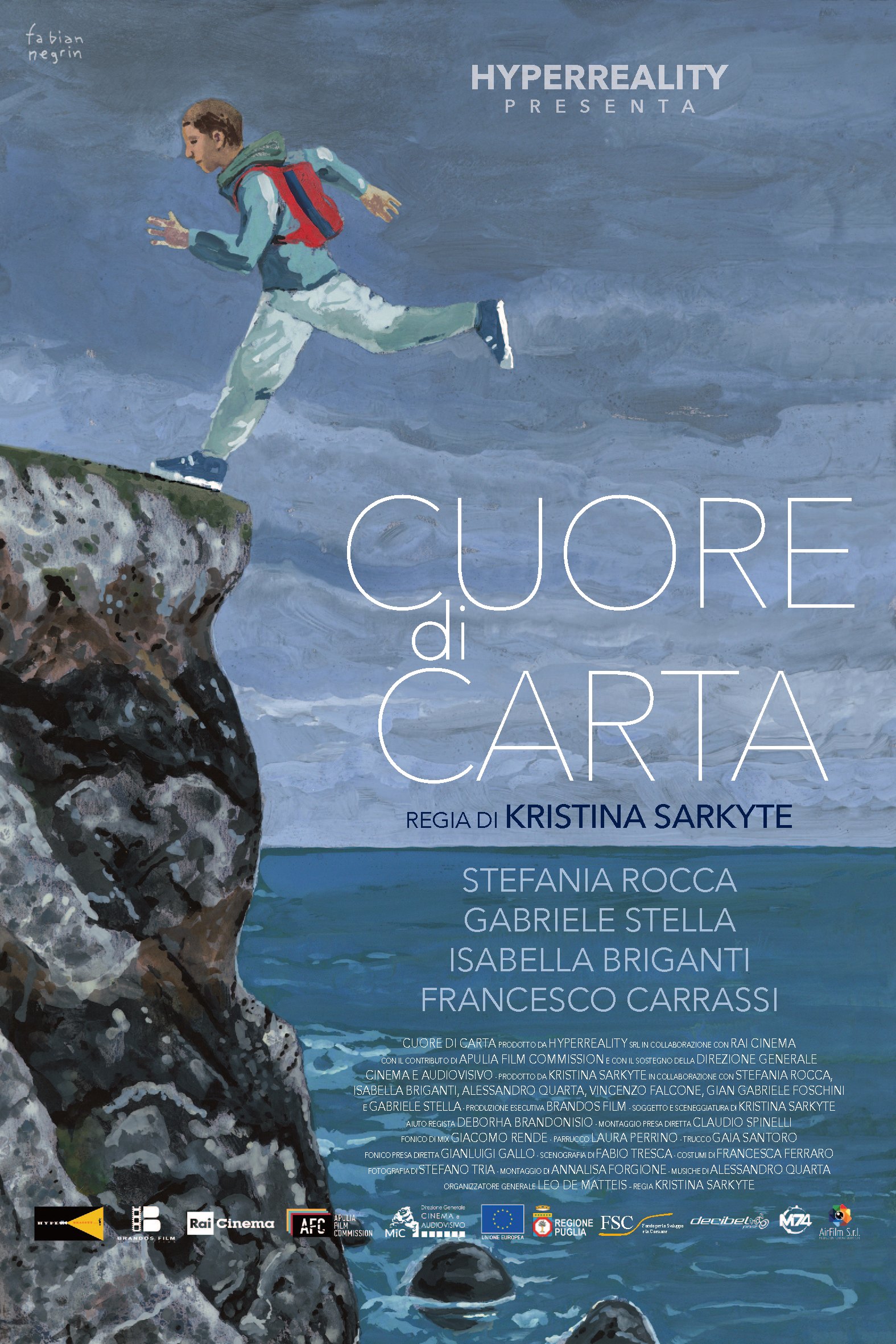
Some directors come to cinema with a camera and others come with a question. Kristina Šarkytė, born in Lithuania and based in Rome, belongs to the second group. Her first feature, Paperheart (Cuore di carta), an official finalist at L.I.M.P.A – London International Motion Picture Awards 2026, was born from a news story she could not forget: an eight-year-old boy who took his own life because he was considered too sweet.
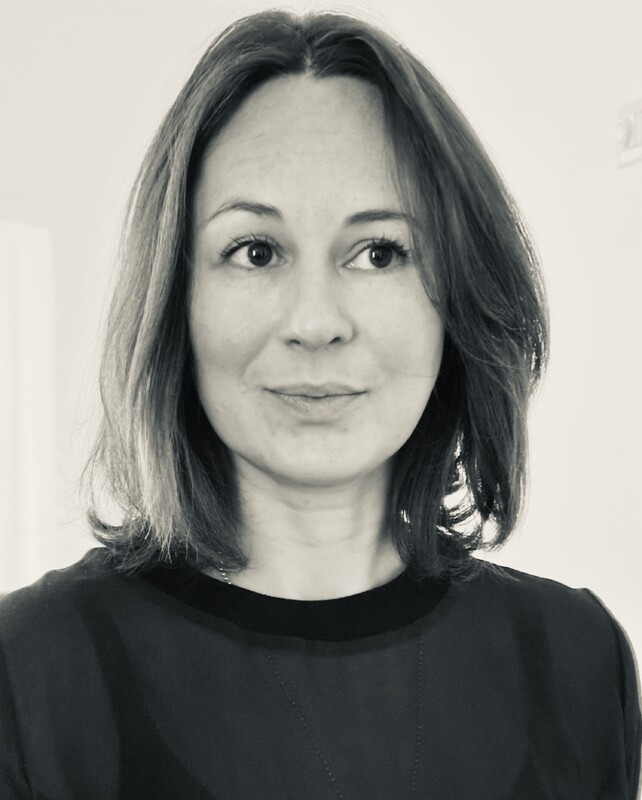
In the long interview published by the festival, the director explains that the film follows Luca, a sensitive boy whose father pressures him to fit a rigid idea of masculinity, and who finds shelter with his neighbours Luigi and Pietro. For Šarkytė, the key is not what the boy suffers but how he resists: his mind is always elsewhere, in his dreams, with his artist friends and in the gaze of a teacher who truly sees him.
“We are all vulnerable only as long as we allow others to make us feel that way.”
Being a woman director, an uncomfortable test
The most revealing part of the conversation comes when she talks about the place of women in film. Šarkytė recounts that years ago she ran an experiment with her documentary Il contatto (The Contact): she submitted it to festivals signed as a male director and then sent the same film under a female director’s profile. The result gave her pause.
“As a woman, I was accepted into two festivals; as a man, I was selected by numerous festivals and won several awards.”
She qualifies it herself: it may be a coincidence, but it makes you stop and think. In the interview she presents it as one of the two tragedies of independent cinema, alongside how hard it is for small stories to reach cinemas when distribution is reserved for the big releases.
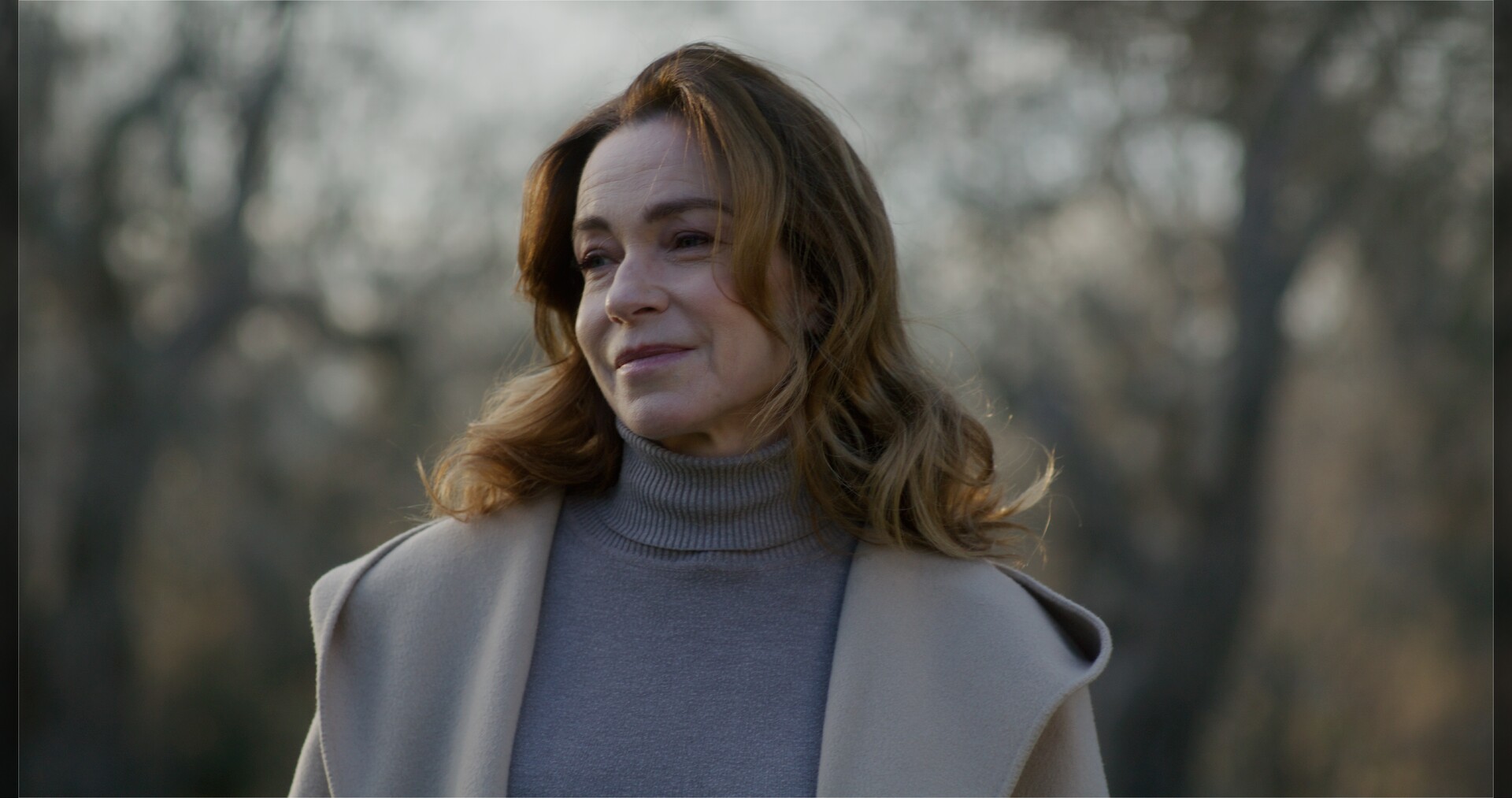
Dreaming as a form of resistance
Šarkytė grew up under Soviet occupation and links that memory to the way she makes films. She recalls that her grandparents’ generation was not allowed to dream, that her parents devoted their lives to rebuilding a young nation, and that she was able to study abroad and live in freedom, although she is not sure her grandchildren will have the same luck. Hence her conviction that cinema can sow empathy.
That idea runs through Paperheart, shot in just sixteen days so as not to lose its funding, with music by Alessandro Quarta and a cast led by Stefania Rocca and the young Gabriele Stella, whom the director met when he was eight years old.
“Sometimes, dreaming can save your life.”
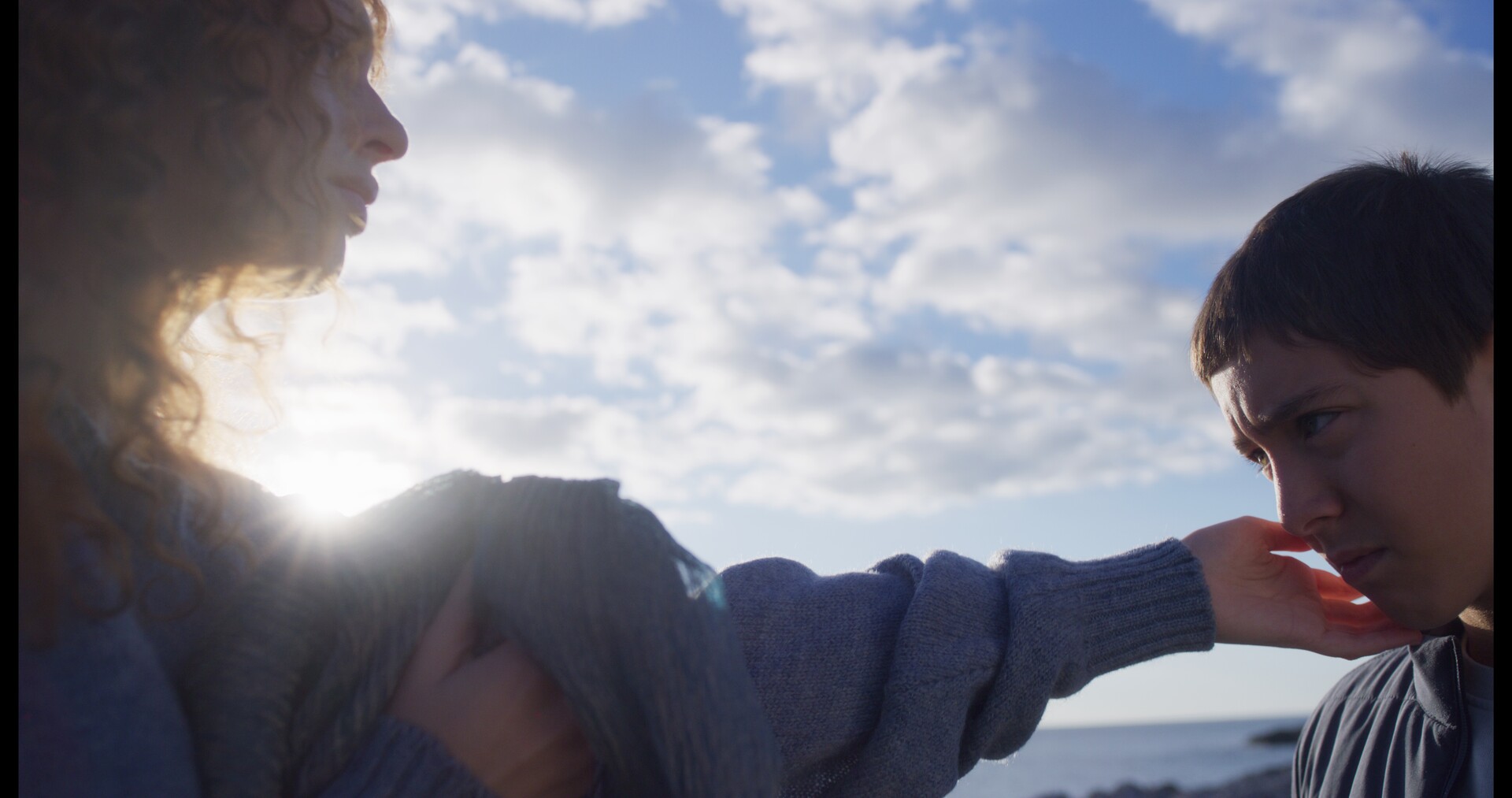
About Kristina Šarkytė
A writer, producer and director, Šarkytė studied philosophy and communication in Naples and theatre, cinema and digital performance in Rome, where she also studied film directing and screenwriting. Since 2013 she has run the production company Hyperreality. Paperheart, her first feature, premiered at the Sguardi Altrove festival in Milan, where it received an audience special mention.